REFRACTEC RCS-300 Conductive Keratoplasty Lasik Ck Viewpoint
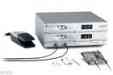
( Brand: Refractec ), ( Manufacturer Part Number: RCS-300 ), ( Part Type: Conductive ), ( Country/region Of Manufacture: Unknown )
Review REFRACTEC Conductive Rcs300 System Keratoplasty Lasik Ck Viewpoint
The RCS-300 Conductive Refractive Surgery System, specifically designed for Keratoplasty and LASIK procedures, is a state-of-the-art device that revolutionizes the field of refractive surgery. This advanced technology utilizes Conductive Keratoplasty (CK) viewpoint, a method that reshapes the cornea by applying a low-level electrical current.
The RCS-300 system features a compact and ergonomic design, making it easy to maneuver in various surgical settings. Its heart lies in the precision and control it provides to surgeons during the procedure. The system incorporates high-resolution imaging and advanced software algorithms, allowing for accurate and customized treatment plans based on each patient's unique eye profile.
The RCS-300 Conductive Refractive Surgery System uses a minimally invasive approach, which reduces the risk of complications and promotes a faster recovery time for patients. The conductive keratoplasty technique causes the cornea to become stiffer, thereby reshaping it without the need for cutting or removing tissue. This results in improved vision and reduced dependency on corrective lenses.
The RCS-300 is not just a tool; it's a partnership between technology and the surgeon, empowering them to deliver better outcomes for their patients. Its user-friendly interface, robust safety features, and consistent performance make it an invaluable asset in the modern refractive surgery suite. The RCS-300 Conductive Refractive Surgery System is more than a device; it's a testament to the future of refractive surgery.
Pros of RCS-300 Conductive Keratoplasty (CK):1. Non-invasive: RCS-300 is a non-invasive procedure, which means it does not require the creation of a flap in the cornea like traditional LASIK. This can reduce the risk of complications such as dry eye and corneal haze.
2. Quick recovery: The recovery time for RCS-300 is typically shorter than for traditional LASIK. Patients often report seeing improvements in their vision within a few days of the procedure.
3. Suitable for certain patients: RCS-300 may be a suitable option for patients with thin corneas or those who have had previous LASIK or PRK procedures that did not achieve the desired results.
4. Reduced risk of regression: RCS-300 uses a different method to reshape the cornea, which may result in a lower risk of regression over time.
Cons of RCS-300 Conductive Keratoplasty (CK):1. Limited correction range: RCS-300 is primarily used for the correction of presbyopia, or age-related farsightedness. It may not be suitable for patients with significant myopia or astigmatism.
2. Potential for overcorrection or undercorrection: Like any surgical procedure, there is a risk of overcorrection or undercorrection with RCS-300. This can require additional procedures to achieve the desired level of vision correction.
3. Cost: RCS-300 is a relatively new procedure, and as such, it may be more expensive than traditional LASIK or PRK.
4. Limited availability: RCS-300 is not yet widely available, and not all eye surgeons offer this procedure.
Conclusion:RCS-300 Conductive Keratoplasty is a non-invasive procedure that can be an effective option for the correction of presbyopia. It has a quicker recovery time and a lower risk of regression compared to traditional LASIK or PRK. However, it has a limited correction range, and there is a risk of overcorrection or undercorrection. Additionally, it is a relatively new procedure that may be more expensive and less widely available than traditional LASIK or PRK.
Recommendation:If you are considering vision correction surgery and have presbyopia, RCS-300 may be a suitable option for you. However, it is important to discuss your options with an experienced eye surgeon to determine whether this procedure is right for you based on your individual needs and circumstances. It is also important to consider the potential risks and benefits of RCS-300, as well as the cost and availability of the procedure, before making a decision.
Details:
Use for treatment of presbyopia, Hyperion the viewpoint ck system is compact and portable, so the procedure can be performed in your office. Traditionally, physicians using ck compressed the cornea as radio frequency energy was delivered.
And with the introduction of the corneal template, this safe approach to helping patients improve their near vision is even better. The outpoint corneal template provides accurate corneal marking and keratoplast tip application for the near vision ck treatment. Complete system very good condition revisionism ck is the 1 non laser refractive procedure in the us.
A cent ration feature makes it easy to place the outpoint corneal template on the eye.
part #: rcs300 price
- $695.00
specifications ophthalmologysupplyie:
- brand: Refractec
- mpn: Rcs-300
- part type: Conductive
- country/region of manufacture: Unknown
Ratings:
- Thank you for an easy, pleasant transaction. Excellent buyer. A++++++. 09-02-15
- Great communication. A pleasure to do business with. 08-10-15
- Thank you for an easy, pleasant transaction. Excellent buyer. A++++++. 09-01-15
- Thank you for an easy, pleasant transaction. Excellent buyer. A++++++. 08-11-15
- Good customer - Fast pay - Thank you 09-01-15
Shipping ophthalmologysupplyie:
- handling: days
- type: Flat
- cost: $150.0
General ophthalmologysupplyie:
- condition: Used
- in stock: Yes
- Business & Industrial > Healthcare, Lab & Life Science > Medical Specialties > Ophthalmology & Optometry > Other Ophth & Optometry
Seller ophthalmologysupplyie:
- zipcode: 93065
- city: Simi Valley, California
Offer ophthalmologysupplyie:
- : true
- # bids: 0
- min. bid: $4,499.99
- quantity: 1
- # Sold: 0
- best offer: false
- Started: September 3, 2015, 12:30 am
Returns ophthalmologysupplyie:
- policy: no returns
Payments ophthalmologysupplyie:
- PayPal
