ISHIHARA 13-1257 Ishiharas Colour Blindness Design Shinobu Charts
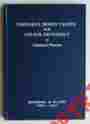
( Brand: Ishihara ), ( Manufacturer Part Number: 13-1257 ), ( Country/region Of Manufacture: Japan )
Review ISHIHARA Dr Ishiharas Colour Blindness Design Chart Shinobu Test Charts
The Ishihara 1996 Shinobu Charts, product code 13-1257, is a comprehensive and essential tool for the field of vision testing. This set of charts was designed by Dr. Shinobu Ishihara, a renowned Japanese ophthalmologist, and is an updated version of the original Ishihara Test, first introduced in 1917.
The Ishihara 1996 Shinobu Charts are renowned for their ability to detect various types of color blindness, including red-green color blindness, which is the most common form. The charts consist of circular plates with a series of dots in various shades, patterns, and sizes. The test taker is required to identify the hidden number or symbol within the circular plate, which can be challenging for individuals with color blindness due to the subtle differences between the colors used.
This particular set of charts, product code 13-1257, includes the classic Ishihara plates, as well as additional plates for more precise and comprehensive testing. The charts are printed on high-quality paper for optimal visibility and durability. The Ishihara 1996 Shinobu Charts are an essential tool for optometrists, ophthalmologists, and other healthcare professionals who conduct vision tests and screenings.
In summary, the Ishihara 1996 Shinobu Charts, product code 13-1257, are a comprehensive and essential tool for detecting color blindness. The charts are designed by a renowned ophthalmologist and are printed on high-quality paper for optimal visibility and durability. This set of charts provides a comprehensive testing solution for healthcare professionals, making it an indispensable addition to any vision testing or screening facility.
Pros of buying Ishihara Color Blindness Tests (13-1257, Shinobu Charts):1. Widely Recognized: Ishihara tests are one of the most well-known and widely used methods for screening color blindness.
2. Accurate: The tests are designed to be highly accurate and can effectively detect various types of color blindness.
3. User-Friendly: The charts are easy to use and understand, making them suitable for both professionals and individuals conducting self-tests.
4. Durable: The Ishihara charts are often printed on high-quality paper, ensuring they can withstand frequent use.
5. Inexpensive: Compared to other color blindness tests, Ishihara charts are generally affordable, making them accessible to a wide range of users.
Cons of buying Ishihara Color Blindness Tests (13-1257, Shinobu Charts):1. Limited Test Capabilities: Ishihara tests only detect certain types of color blindness, primarily red-green color blindness. They may not be effective for detecting other types of color blindness, such as blue-yellow color blindness.
2. Age Limitations: Ishihara tests are not recommended for individuals under the age of 6 or over the age of 80 due to potential issues with visual acuity and cognitive abilities.
3. Potential for Cheating: Since the tests are based on patterns, there is a risk of cheating or memorizing the charts, which could lead to false results.
4. Limited Test Variety: Ishihara charts offer a limited number of test patterns, which may not be sufficient for comprehensive color blindness assessment.
5. Lack of Instructions or Explanation: The charts do not usually come with instructions or explanations on how to interpret the results, requiring users to rely on external resources or a professional.
Conclusion:Ishihara Color Blindness Tests (13-1257, Shinobu Charts) are a reliable and cost-effective option for screening red-green color blindness. However, their limited capabilities and potential for cheating make them more suitable for individuals seeking a basic color blindness assessment than for professionals requiring comprehensive testing. For a more comprehensive color blindness assessment, consulting a medical professional or using electronic color blindness tests is recommended.
Details:
Instruction sheet and two instruction cards complete in rear pocket. No reserve bid. Ishihara's design charts for colour deficiency of unlettered persons Kaneohe co.
Shinobu Ishihara to detect colour blindness in children four to six years of age or in persons who cannot read. Designed by dr. Eight colour charts. Tokyo, hardcover, 8vo x 8.
Ltd condition fine.
part #: 131257 prices
- $18.00-$25.99
specifications ophthalmologysupplyie:
- brand: Ishihara
- mpn: 13-1257
- country/region of manufacture: Japan
Returns ophthalmologysupplyie:
- paid by: Buyer
- time: 14 Days
- type: Money Back
- details: Returns accepted if item not as described. Please contact me first.
- policy: returns accepted
Payments ophthalmologysupplyie:
- PayPal
Shipping ophthalmologysupplyie:
- cost: $8.0
- handling: 1 days
- type: Flat
Seller ophthalmologysupplyie:
- zipcode: M4T 1E5
- city: Toronto, Ontario
Ratings:
- Super-fast shipping! 12-02-15
- Item as described; properly packed; promptly shipped, A+ transaction Thanks! 12-22-15
- Perfect transaction! 12-02-15
- As described, well-packaged and promptly shipped. A+++++ Seller 11-30-15
- GREAT! Super seller--fast ship--wonderful communication! 12-18-15
General ophthalmologysupplyie:
- Business & Industrial > Healthcare, Lab & Life Science > Medical Specialties > Ophthalmology & Optometry > Optometry Equipment & Supplies
- condition: Used
- in stock: Yes
Offer ophthalmologysupplyie:
- best offer: false
- min. bid: $19.99
- # Sold: 0
- Started: December 29, 2015, 1:45 am
- # bids: 0
- quantity: 1
Ishihara 13-1257 Is Similar To:
- 001-us Kanehara Ishihara Test For (37% similar) Ishihara book for colour blindness, 14 plates edition:- popular and efficient test red green color vision deficiency. With normal colour perception, the images and numbers will all be visible. Specifications book is specially printed to measure incrementally higher color sensitivity and specificity...(November 7th, 2017)
- 10988 Kanehara Ishihara Test Chart (35% similar) The reason this is that system not programmed for in all cases. Ishihara test chart books for color deficiency 38 plates latest edition with USSR manual and one eye occlude. APO fops are definitely excluded. Expedited shipping is available for most items. Thanks and happy buying...(July 13th, 2017)
- 1255 Ishihara S Ishiharas Test (46.6% similar) This is a Ishiharas test chart plates edition made in japan ed new...(July 16th, 2017)
- 1256 Grahamfield Categories Ishihara Test (26.8% similar) Instruction are included. For this item. As the topic to avoid inadvertently opening a case...(February 8th, 2018)
- Ishihara Tests Plates Deficiency Edition Colour 24 (41.2% similar) The 24 plate edition retails new for this book is in good used condition. I have retired from practicing optometry and am selling some of my small equipment...(February 7th, 2015)
- 43217-12688 Kanehara Ishihara Test Chart Books For Color Deficiency Plates Latest (51.5% similar) They can not have been assembled and disassembled. Ishihara test chart books for color deficiency 38 plates 2016 edition with eye occlude and user manual. Ishihara test chart books for color deficiency 38 plates latest edition with USSR manual and one eye occlude. Our systems are automated and ...(May 2nd, 2018)
- 38plates Affinis Latest Edition 38 Plate Ishihara Tests Book For Color Blindness Testing Eye (46.1% similar) He parcel on time. Each color test plate in this hard bound. Each colour test plate in this hard bound. Kindly check in advance, to avoid any problem. With normal color perception, the images and numbers will all be visible. Note low value invoicing shall not be done. Book is specially printed to ...(May 10th, 2016)
- 100600 Erose Ishihara Color Blindness Test Book Available 38 Plate Best Made In India Items (36.2% similar) He parcel on time. Note low value invoicing shall not be done. Each color test plate in this hard bound. Kindly check in advance, to avoid any problem. With normal color perception, the images and numbers will all be visible. Book is specially printed to measure incrementally higher color ...(May 24th, 2016)
- 10067 Erose Superior Quality 14 Plate Ishihara Tests Book For Color Blindness Testing Eye (48% similar) Each colour test plate in this hard bound. Book is specially printed to measure incrementally higher color sensitivity and specificity. Note low value invoicing shall not be done. Kindly check in advance, to avoid any problem. Each color test plate in this hard bound. With normal color perception, ...(June 16th, 2016)
- 1006733 Erose 38 Plate Ishihara Tests Book For Color Blindness Testing Eye (52.5% similar) Kindly check in advance, to avoid any problem. With normal colour perception, the images and numbers will all be visible. Each colour test plate in this hard bound. Note low value invoicing shall not be done. Book is specially printed to measure incrementally higher color sensitivity and specificity...(September 9th, 2016)
- Is-10 Erose Latest Edition 38 Plate Ishihara Tests Book For Color Blindness Testing Eye (48.6% similar) With normal colour perception, the images and numbers will all be visible. Note low value invoicing shall not be done. He parcel on time. Each color test plate in this hard bound. Each colour test plate in this hard bound. With normal color perception, the images and numbers will all be visible. ...(May 2nd, 2016)
