HULK Aspheric Lens Ophthalmology 78D 90D 20D
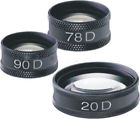
( Brand: Hulk ), ( Model: HULK-AL ), ( Part Type: Len ), ( Bundle Listing: No ), ( Country/region Of Manufacture: United States ), ( Certificate: Ce Certified )
Review HULK 78d 90d 20d Aspheric Lens Ophthalmology al
The 78d 90d 20d Aspheric Lens, specifically designed for ophthalmological applications, is a remarkable piece of optical engineering. This lens is characterized by its unique 78d, 90d, and 20d curvatures, which are strategically engineered to provide exceptional visual clarity and accuracy.
The 78d and 90d curvatures at the periphery of the lens work together to correct for spherical aberrations, ensuring that light rays converge at a single point on the retina. This results in a significantly reduced optical distortion and improved visual acuity, especially in low-light conditions.
The 20d curvature at the center of the lens is an aspheric surface, which means it is not a perfect sphere. This design allows for a thinner and flatter lens, reducing the weight and bulk of the optical system. The aspheric surface also minimizes the effects of chromatic aberration, resulting in a more natural and true-to-life color representation.
This lens is specifically designed for applications in the field of ophthalmology, such as intraocular lenses, contact lenses, and other medical devices. The 78d 90d 20d Aspheric Lens is manufactured using advanced materials and precision crafting techniques, ensuring its durability and reliability in a medical environment.
In conclusion, the 78d 90d 20d Aspheric Lens is a testament to the advancements in optical technology, offering superior visual clarity, reduced distortion, and minimized chromatic aberration. Its unique design and manufacturing process make it an ideal choice for ophthalmological applications, providing patients with improved visual performance and overall quality of life.
Pros of buying 78D, 90D, and 20D aspheric lenses for ophthalmology:1. Improved visual acuity: Aspheric lenses have a more even curvature, reducing spherical aberrations and providing sharper, clearer vision.
2. Reduced eye strain: The aspheric design of these lenses reduces the amount of light that enters the peripheral vision, reducing glare and eye strain.
3. Comfortable fitting: The lenses have a thinner edge, making them more comfortable to wear and reducing the risk of irritation or discomfort.
4. Durability: Aspheric lenses are made from high-quality materials, making them durable and resistant to scratches and damage.
5. Wide range of prescriptions: These lenses are available in a wide range of prescriptions, making them suitable for a variety of visual needs.
Cons of buying 78D, 90D, and 20D aspheric lenses for ophthalmology:1. Higher cost: Aspheric lenses are typically more expensive than standard lenses due to the advanced technology and manufacturing process required to produce them.
2. Limited availability: These lenses may not be available in all optical stores, and patients may need to order them from specialized labs.
3. Potential for distortion: While aspheric lenses can improve visual acuity, they may also cause some distortion, especially at the edges of the lens.
4. Requires specialized fitting: Aspheric lenses require specialized fitting by an optometrist or ophthalmologist to ensure proper alignment and fit.
In conclusion, 78D, 90D, and 20D aspheric lenses are a good option for patients with visual needs who want improved visual acuity, reduced eye strain, and a comfortable fit. While they come with a higher cost and limited availability, the benefits of these lenses may outweigh the drawbacks for many patients. It is recommended to consult with an optometrist or ophthalmologist to determine if these lenses are the best option for your specific visual needs.
Details:
specifications ophthalmologysupplyie:
- brand: Hulk
- model: Hulk-al
- part type: Len
- bundle listing: No
- country/region of manufacture: United States
- certificate: Ce Certified
General ophthalmologysupplyie:
- condition: New
- in stock: Yes
- business industrial > healthcare lab life science > medical specialties business industrial > ophthalmologyoptometry
Offer ophthalmologysupplyie:
- best offer: true
- Started: February 28, 2018, 12:50 am
- Sold: 0
- bids: 0
- quantity: 2
Payments ophthalmologysupplyie:
- PayPal
Returns ophthalmologysupplyie:
- policy: returns accepted
- type: Money Back
- paid by: Buyer
- time: 30 Days
Ratings:
- transaction completed satisfactorily 12-22-17
- Ok very good thanks. Ok 12-27-17
- good item 07-27-17
- Great 04-30-17
- Great seller 08-01-17
Seller ophthalmologysupplyie:
- zipcode: 08820
- city: Edison, New Jersey
Shipping ophthalmologysupplyie:
- cost: $0.0
- handling: 4 days
- type: Flat
Hulk Is Similar To:
- Hulk-alo-g12 Hulk Trial Lens Set (43.8% similar) Custom duty item shall be packed in a cardboard box and sent through courier. Kindly check in advance, to avoid any problem...(October 27th, 2017)
- Hulk Aspheric-lens-20d-ophthalmology Alo-g (75.7% similar) S:-20D lens provides an extended working distance from cornea. The 20D aspheric slit lamp lens for non-contact funds examinations. Kindly check in advance, to avoid any problem. Specifically packaged in a hard-case ensuring safe reach. High quality lens with a great value for money...(November 8th, 2017)
- Hulk Aspheric Lens (72% similar) S:-this lens provides ultra resolution retinal image with the binocular indirect ophthalmologist during clinical practice or in operating room. Aspheric design for maximum resolution and field of view...(May 8th, 2018)
- Hulk-cl-v1 Hulk Aspheric Non Contact Lens For Ophthalmology (70.3% similar) The 20D aspheric slit lamp lens for non-contact funds examinations. Specifically packaged in a hard-case ensuring safe reach. High quality lens with a great value for money...(April 4th, 2018)
- Hulk Diagnostic Surgical Lens For Indirect Ophthalmos (54.1% similar) As standard we supplied lens in black color only. Buyers are requested to please specify the color of lens ring along with order. This slit lamp lens offers an ideal combination of field and magnification. This lens provides an extended working distance from cornea. Most important...(April 12th, 2018)
- Hulk Double Aspheric Lens Dal-g (69.8% similar) Kindly check in advance, to avoid any problem...(November 8th, 2017)
- Hulk Micropipette Variable Range Ophthalmology (59% similar) Calibrated as per standards. Permanently marked on each pipette. Individual serial no. Colour coded for easy identification. Two step plunger operations allow reverse pi petting technique. High accuracy and precision guaranteed. S:-range variable UV resistant - stop system for digital volume setting...(May 7th, 2018)
- Hulk Streak Retinoscope Ophthalmology (66.7% similar) ...(April 10th, 2018)
- Hulk Synoptophore Ophthalmology Optometry (63% similar) After image illumination by 6v lamp auto flashing auto flashing of slide illumination either simultaneously or alternatively in rapid variable modes mode mode selection five modes namely normal, right flashing left, r l auto can be selected a single selector knob. 3 cms lateral: 25. These have an ...(April 7th, 2018)
- Hulk Trial Lens Set Of Ophthalmology Optometry (66.7% similar) This trail lens case is manufactured using refined hard plastics that offer maximum protection to the lenses against damage. The sturdy construction of these lens cases facilitates easy storage lenses. Smooth interiors of the case hold fast lenses to minimizes or virtually eliminate any possibility ...(March 14th, 2018)
- Hulk Volk 25d Aspheric Lens (61% similar) Yellow tint. Vol 25D lens...(February 1st, 2018)
