REICHERT 16060 Nct Tonometer 7CR
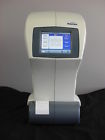
( Brand: Reichert ), ( Manufacturer Part Number: 16060 )
Review REICHERT 7cr Nct Tonometer Warranty
The Reichert 7CR NCT Tonometer (Model 16060) is a state-of-the-art device designed for non-contact tonometry, a method used to measure intraocular pressure (IOP), which is a crucial diagnostic tool in the detection and management of glaucoma and other eye conditions.
This tonometer, manufactured by Reichert, a renowned name in the ophthalmic industry, is characterized by its precise and reliable performance. The 7CR NCT model utilizes a gentle puff of air to momentarily flatten the cornea, allowing for an accurate IOP measurement. Its non-contact design eliminates the risk of corneal touch, ensuring patient comfort during the examination.
The Reichert 7CR NCT Tonometer features an intuitive user interface, making it easy for both experienced and novice users to operate. The device displays the IOP reading on a large, backlit LCD screen, which is easily visible in various lighting conditions. It also offers a built-in printer for generating hard copies of the results, which can be useful for maintaining patient records.
The 16060 model is compact and portable, making it ideal for use in various settings, including clinics, hospitals, and even in the field. It is powered by a rechargeable battery, ensuring uninterrupted operation. The device is also equipped with a self-calibration feature, ensuring its accuracy over time.
In summary, the Reichert 7CR NCT Tonometer (Model 16060) is a reliable, accurate, and user-friendly device for measuring intraocular pressure. Its non-contact design, compact size, and easy-to-use interface make it a valuable tool for ophthalmic professionals in the diagnosis and management of eye conditions.
Pros of buying a 16060 Reichert 7CR NCT Tonometer:1. High Accuracy: The Reichert 7CR NCT Tonometer is known for its high accuracy in measuring intraocular pressure (IOP), a key factor in diagnosing and monitoring glaucoma.
2. Reliability: This tonometer is a well-established brand in the field of ophthalmic equipment, which ensures reliability and durability.
3. User-Friendly: It is reported to be easy to use, even for those who are not familiar with tonometers, which can save time and reduce errors.
4. Repeatability: The 7CR NCT Tonometer is known for its repeatability, meaning it consistently delivers the same results, which is crucial in medical diagnostics.
Cons of buying a 16060 Reichert 7CR NCT Tonometer:1. Cost: This tonometer is relatively expensive compared to some other models, which might be a deterrent for some buyers.
2. Requires Maintenance: Like any medical equipment, the 7CR NCT Tonometer requires regular maintenance and calibration to ensure its accuracy.
3. Size and Weight: The tonometer is not compact and can be heavy, which might make it less portable for some users.
Conclusion:The 16060 Reichert 7CR NCT Tonometer is a high-quality, reliable, and accurate tonometer that is widely used in the medical field. However, its cost and size might be a disadvantage for some potential buyers. If budget is not a concern and portability is not a priority, the 7CR NCT Tonometer could be an excellent investment due to its accuracy and reliability. For those who are looking for a more affordable option, there are other tonometers available that might meet their needs. Ultimately, the decision should be based on the specific needs and constraints of the user.
Details:
Call us for details Reichert 7cr auto tonometer corneal response technology the glaucoma with and opcode Reichert from technologies utilizes a patented bi-directional application process to characterize bio mechanical properties of cornea reduce their impact on IPO measurement. As such, OPEC is a better indicator of glaucoma risk than other methods tonometer, including Goldman application. 6 month warranty included parts and labor at our office. This measurement, referred to as corneal compensated IPO OPEC is minimally affected by Cisco-elastic properties, thickness, or surgical procedures such Las Park.
The Reichert 7cr is more clinically valid in all subjects, including: normal tension glaucoma patients, primary open angle post-Las and refractive surgery patients with Fuchs' or corneal edema, keratin's thick, thin, otherwise bio mechanically atypical corneas.
part #: 16060 price
- $2800.00
specifications ophthalmologysupplyie:
- brand: Reichert
- mpn: 16060
Seller ophthalmologysupplyie:
- zipcode: 34471
- city: Ocala, Florida
General ophthalmologysupplyie:
- business industrial > healthcare lab life science > medical specialties business industrial > ophthalmologyoptometry
- condition: Seller refurbished
- in stock: Yes
Payments ophthalmologysupplyie:
- PayPal
Offer ophthalmologysupplyie:
- best offer: false
- bids: 0
- Started: November 21, 2017, 1:10 pm
- quantity: 1
- Sold: 0
Shipping ophthalmologysupplyie:
- handling: 3 days
- cost: $80.0
- type: Flat
Returns ophthalmologysupplyie:
- time: 14 Days
- type: Money Back
- paid by: Buyer
- policy: returns accepted
Ratings:
- Works as described. 09-25-17
- Perfect solution for what I needed! Thank you for providing a unique item/ A 10-17-17
- E 11-07-17
- GREAT SELLER 11-01-17
- T 11-07-17
Reichert 16060 Is Similar To:
- 12430 Parts Xpert Logic Reichert Nct contact Tonometer Advanced (51% similar) The top cap is cracked and has a piece broken off the entire body of the unit is separated from the base and a piece of metal is sticking out from underneath as shown and there was a large broken metal part in the cardboard box this arrived in that may be part of this unit shown in photo. Free ...(January 24th, 2015)
- 12430-456 Reichert Xpert Nct Plus Tonometer Key Pad (67.5% similar) Normal wear...(March 15th, 2018)
- 12523 Reichert Prelude Contact Tonometer Model Free Shipping (54.3% similar) It is in for parts or not working condition because missing the bearing that locks tonometer into place on slit lamp. I accept reasonable offers, only ship to the USA and am offering free shipping. This is sold as. It is calibrated. This is a used Reichert prelude contact tonometer model please me ...(June 5th, 2018)
- 230650 Reichert Avia Tono-pen Tonometer (67.6% similar) The display is bright and easy to read. Estimated FedEx transport times. Questions or problems. This tono-pen has been tested and found to be in excellent working condition. The controls are responsive and easily adjusted...(June 26th, 2017)
- Nct 555 At555 Contact Glaucoma Condition Good Reichert Tonometer (39.6% similar) Reichert nct at 555 non contact tonometer works good. Once in a while 'sensor touch activated' message appears which typically means inside needs to be clean via air can...(February 26th, 2015)
- 12017-00 13900 Leica Reichert At 550 Nct Non Contact Tonometer (57.4% similar) Items are guaranteed to be received as described. Recommend testing by certified technician for reliability accuracy. If any damage is incurred during transition, the post office or courier company has done a bad job. Included user manual for at 550 and power cord actual unit pictured and comes as ...(May 31st, 2016)
- 16050 Reichert 7 Nct Auto Non Contact Tonometer (73.4% similar) Does have some cosmetic blemishes as shown in pics. Reichert 7 auto non contact tonometer ref offer includes parts shown in pics only no other accessories included. None of the items listed above come with certificates, documentation for medical use. The cover for the printer is missing...(July 22nd, 2016)
- 13910 40461-0503 Reichert At555 Nct Non Contact Tonometer Model (56.8% similar) The operator simply slides the headrest to the left or right position and invites the patient to position their head against the comfortable headrest pad. These provide an obvious visual cue to the patient for fast fixation and alignment, thereby reducing measurement time. Cm depth in. Included user...(December 26th, 2015)
- At555 61181-0705 13912 Reichert Nct Non Contact Tonometer Only It Has 19111 Measures (48.3% similar) And work condition. Specifications height 17 in. Reichert AT555 nct non contact tonometer features only it has measures and equipment is the operator simply slides the headrest to the left or right position and invites the patient to position their head against the comfortable headrest pad. Cm ...(December 25th, 2015)
- At-555 Reichert At 555 Non Contact Tonometer Year 2006 (55.8% similar) Reichert at 555 non contact tonometer 2006 this tonometer was recently removed from a working office it is fully functional...(October 9th, 2015)
- Ct210 Reichert Xcel 250 Slit Lamp With Tonometer (62.5% similar) This unit is in perfect conditions, ready to be used. Reichert slit lamp and tonometer...(March 18th, 2016)
